Blog
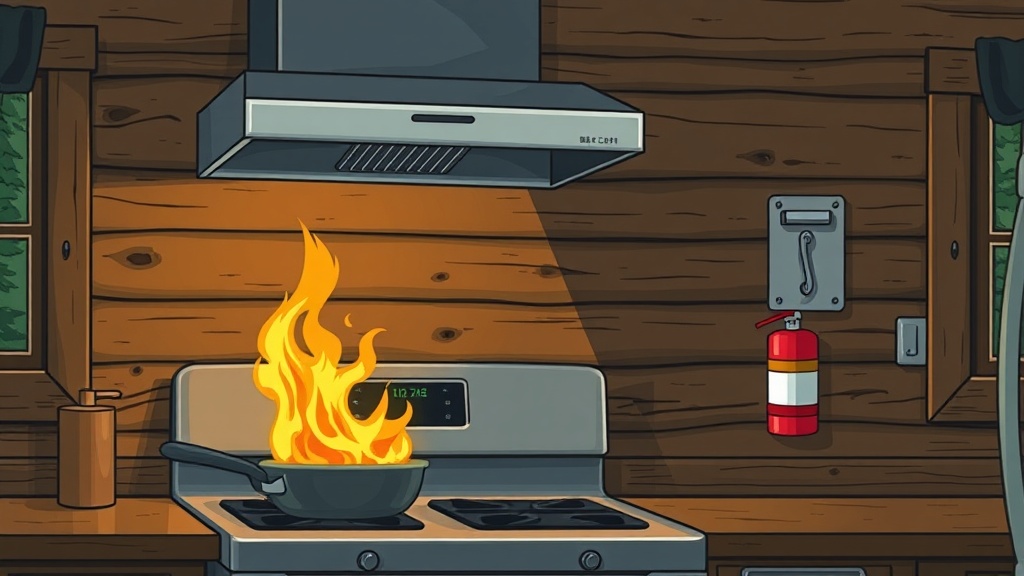
Burned at an NC Rental Cabin? North Carolina Premises Liability Law Explained
When a Vacation Turns Into a Burn Injury: Your Legal Rights Under North Carolina Law
Every year, thousands of visitors rent cabins across North Carolina — from the Blue Ridge Mountains near Asheville to the Outer Banks along the coast. These getaways are supposed to be relaxing, but when a poorly maintained kitchen leads to a grease fire and a serious burn injury, the legal consequences can be complex and long-lasting. If you were burned in a grease fire at a North Carolina rental cabin, understanding how premises liability law works in this state is the critical first step toward protecting your rights.
What Is Premises Liability Under North Carolina Law?
Premises liability is a branch of North Carolina personal injury law that holds property owners and operators legally responsible for injuries that occur on their property due to negligence. Under N.C. Gen. Stat. § 99B and applicable common law, a rental cabin owner — or the property management company overseeing it — has a legal duty to maintain the premises in a reasonably safe condition for guests.
When a paying guest rents a cabin, they are classified as an invitee under North Carolina law. This classification matters significantly. An invitee is owed the highest duty of care: the property owner must not only warn of known hazards but also inspect the property and correct dangerous conditions before a guest ever walks through the door.
How a Grease Fire at a Rental Cabin Becomes a Legal Case
A grease fire doesn't have to be caused by carelessness on your part to give rise to a valid premises liability claim. In many rental cabin burn injury cases across North Carolina, the property owner's negligence plays a direct role. Common examples include:
A range hood or exhaust fan that was broken, clogged, or missing — allowing grease vapors to accumulate and ignite
A stove or cooktop with faulty burners that produced uneven or dangerously high heat
Absence of a working fire extinguisher in or near the kitchen, as required by reasonable safety standards
Failure to provide a functioning smoke detector, violating N.C. Gen. Stat. § 42A-35 requirements for residential rental properties
No posted safety instructions or warnings about the cooking equipment's limitations or hazards
Kitchen surfaces or cabinetry positioned dangerously close to open-flame burners
In each of these scenarios, the cabin owner or property manager had an opportunity — and a legal obligation — to prevent the harm before you arrived. When they failed to do so, North Carolina law may hold them liable for the burn injuries you sustained.
North Carolina's Contributory Negligence Rule: A Critical Factor
Here is where North Carolina law differs sharply from most other states in the country, and it is something every burn injury victim in this state must understand: North Carolina follows a pure contributory negligence standard.
Under this rule, if you are found to be even one percent at fault for the accident that caused your burns, you may be completely barred from recovering any compensation. This is not the case in the majority of states, which use comparative fault systems that simply reduce a plaintiff's recovery in proportion to their share of fault. North Carolina's rule is far more unforgiving.
What does this mean practically? Defense attorneys for rental cabin owners and their insurers will aggressively look for any evidence that you contributed to the grease fire — perhaps arguing that you were cooking at excessively high heat, left the stove unattended, or ignored a warning. This is precisely why documenting the scene, preserving evidence, and working with an experienced North Carolina personal injury attorney from the very beginning is so important.
Who Can Be Held Liable for Your Burn Injuries?
Identifying the right defendant is a key part of building a strong premises liability claim in North Carolina. Depending on how the rental cabin is operated, liable parties may include:
The property owner: The individual or entity that owns the cabin and is responsible for its upkeep
The property management company: Many NC vacation rentals — particularly in popular destinations like the Smoky Mountain foothills, Lake Norman area, or Highlands — are managed by third-party companies that handle maintenance, inspections, and guest communications
A short-term rental platform: Depending on the platform's level of involvement and their contractual relationship with the owner, liability may extend to marketplace hosts under certain legal theories
An appliance manufacturer: If a defective stove, range hood, or exhaust fan contributed to the fire, a product liability claim against the manufacturer may run parallel to your premises liability case
What Evidence Should Be Preserved After a Cabin Grease Fire in NC?
From a legal strategy standpoint, the steps taken immediately after a grease fire can determine the outcome of your claim. While medical treatment always comes first, the following evidence is critical to preserve as soon as it is safe to do so:
Photographs and video of the stove, range hood, fire extinguisher (or lack thereof), smoke detectors, and the overall kitchen condition
Screenshots of all communications with the rental host or management company — including any prior complaints about kitchen equipment
A copy of the rental agreement, which may contain maintenance warranties or disclaimers
Written statements from anyone who witnessed the fire or its aftermath
Medical records documenting the nature and severity of your burn injuries
Records of any fire department or emergency responder response, including any official incident reports
What Damages Can Burn Injury Victims Recover in North Carolina?
If liability is established and the contributory negligence defense is overcome, North Carolina burn injury victims may be entitled to recover both economic and non-economic damages, including:
Medical expenses — emergency treatment, hospitalization, skin grafting, and ongoing wound care
Future medical costs — reconstructive surgery, physical therapy, and long-term care
Lost wages and diminished earning capacity if burns affect your ability to work
Pain and suffering
Permanent scarring and disfigurement
Emotional distress and psychological trauma
The Statute of Limitations for NC Premises Liability Claims
Under N.C. Gen. Stat. § 1-52, the general statute of limitations for personal injury claims in North Carolina is three years from the date of the injury. While three years may seem like ample time, burn injury cases involving rental properties require early investigation — witnesses move, physical evidence disappears, and property owners may make repairs that eliminate the very defects that caused your injury. Do not wait to consult an attorney.
Speak With a North Carolina Premises Liability Attorney Today
A grease fire burn at a rental cabin is not just a medical crisis — it is a legal matter that requires a clear understanding of North Carolina's unique premises liability framework and its demanding contributory negligence rules. At ncaccidentlaw.com, we represent injury victims across the state who have been harmed by negligent property owners and operators.
If you or a loved one was burned at a vacation rental property anywhere in North Carolina, contact us today for a free consultation. We will evaluate your case, explain your rights under NC law, and help you pursue the full compensation you deserve.