Blog
The Hidden Physical Toll of Being Choked by a Bouncer — and Why It Matters for Your Claim
You went out for a night with friends. Maybe there was a disagreement at the door. Maybe things escalated in a way you didn't expect. And then — hands around your throat. A bouncer's grip cutting off your air.
If you were choked by a bouncer outside a bar, you may be walking away with more than a shaken sense of safety. The physical injuries caused by choking are serious, often invisible to the naked eye, and can have consequences that last for months or even years. Understanding exactly what happened to your body — and making sure it's properly documented — is one of the most important things you can do right now, both for your health and for any legal claim you may pursue.
What Choking Actually Does to the Human Body
Most people think of choking as something that happens and then stops. But the body doesn't forget that kind of trauma. Choking — particularly manual strangulation — is classified by medical professionals as one of the more dangerous forms of physical assault, precisely because so much of the damage is internal and delayed.
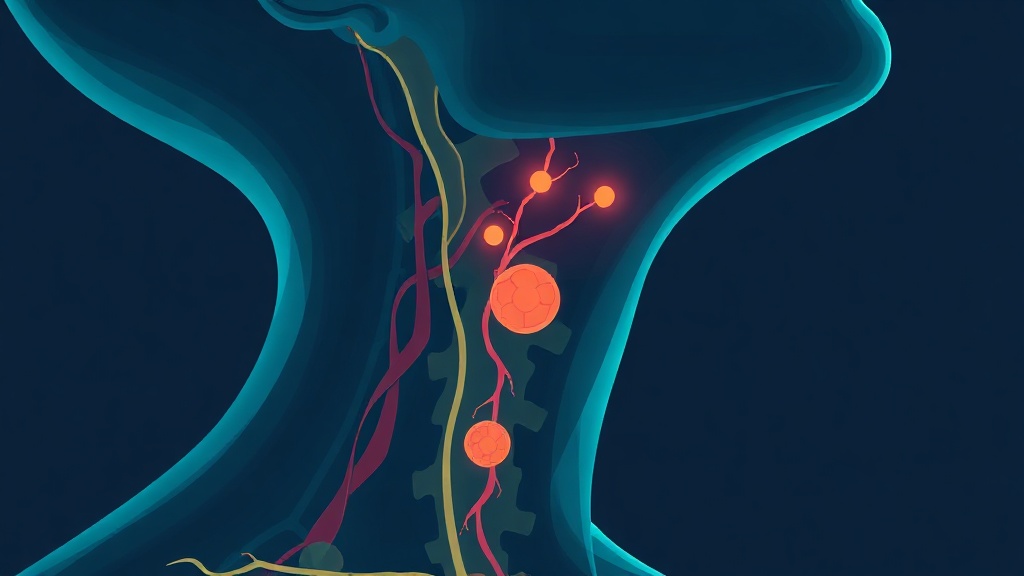
Here's what may actually be happening beneath the surface when a bouncer puts hands around your neck:
Tracheal and Laryngeal Damage
The trachea (windpipe) and larynx (voice box) are surprisingly fragile structures. External pressure from choking can bruise, fracture, or crush cartilage in these areas. You might not feel the full extent of this damage immediately — but over the following hours and days, symptoms can include:
- Difficulty swallowing or a feeling that something is stuck in your throat
- A hoarse or changed voice that doesn't return to normal
- Pain when speaking, eating, or breathing deeply
- A crackling sensation in the neck (a sign of subcutaneous emphysema — air trapped under the skin)
These are not minor complaints. Tracheal fractures are medical emergencies that can worsen over time without treatment.
Oxygen Deprivation and Brain Injury
When blood flow or airflow to the brain is interrupted — even briefly — the consequences can be profound. The brain begins to experience damage within minutes of oxygen deprivation. Even a partial or momentary cut-off can cause:
- Cognitive fog, memory gaps, or difficulty concentrating
- Headaches that persist for days or weeks
- Dizziness, confusion, or vision changes
- In more serious cases, stroke-like symptoms or actual stroke
Research on strangulation survivors has found that neurological symptoms often surface days after the incident — long after a victim may have thought they were "okay."
Vascular Injury to the Neck
The carotid arteries run along either side of your neck and are responsible for supplying blood to the brain. Compression of these arteries during choking can cause internal tears — known as carotid artery dissections — that dramatically increase the risk of stroke. This type of injury can be completely painless in the moment and may not cause a stroke until hours or even days later.
This is why emergency physicians now strongly recommend that any person who has been choked receive imaging of the neck vessels — not just a surface examination.
Soft Tissue and Nerve Damage
Beyond the major structures, choking causes trauma to the muscles, tendons, and nerves in the neck. Victims frequently experience:
- Persistent neck pain and stiffness
- Numbness or tingling radiating into the shoulders or arms
- Muscle spasms that interfere with sleep and daily function
- Long-term tension headaches tied to muscle injury
The Psychological Wound You Can't See
Being choked is not just a physical event — it is a profound violation. Having someone restrict your ability to breathe triggers one of the deepest fear responses the human brain is capable of. Many survivors of choking develop symptoms of post-traumatic stress disorder (PTSD), including intrusive memories, hypervigilance in public spaces, difficulty sleeping, and anxiety about returning to social environments. These psychological injuries are real, they are medically recognized, and they are compensable as part of a personal injury claim.
Why Documenting Your Injuries Is Everything
Here is the difficult reality: strangulation injuries are notoriously hard to prove. External bruising may not appear on the neck for 24 to 72 hours after the incident — or may never visibly appear at all, even when serious internal damage has occurred. This is exactly why the steps you take in the hours and days following the incident are so critical.
Seek Emergency Medical Care Immediately
Do not wait to see if symptoms develop. Go to an emergency room and explicitly tell medical staff that you were choked or strangled. Use those words. Ask for imaging of your neck vessels. Ask for documentation of every symptom you are experiencing, no matter how minor it seems. A medical record created close in time to the incident is among the strongest forms of evidence you can have.
Photograph Everything — Repeatedly
Bruising from strangulation often peaks between 24 and 72 hours after the incident. Photograph your neck, face, and any other affected areas immediately, and again each day for the next several days. Note petechiae — small red or purple dots caused by burst blood vessels — which can appear in the eyes, face, and around the neck and are a recognized medical indicator of strangulation.
Keep a Symptom Journal
Write down every symptom you experience, every day. Voice changes, difficulty swallowing, headaches, cognitive difficulties, nightmares, anxiety — all of it. Dated, contemporaneous notes from the victim are taken seriously in personal injury claims and can bridge the gap between what a physical exam captures and what you are actually living with.
Preserve Evidence From the Scene
If witnesses were present, get their contact information. If there were security cameras outside the bar, an attorney can take steps to preserve that footage before it is deleted. The clothes you were wearing should be stored and not washed. Everything from the night is potentially relevant.
How the Physical Toll Translates to Your Legal Claim
In a personal injury claim arising from a bouncer assault, the compensation you may be entitled to is directly tied to the nature and severity of your injuries. This can include medical expenses — both current and future — lost wages if your injuries affected your ability to work, pain and suffering, and damages for emotional distress and psychological trauma.
The more thoroughly your injuries are documented, the stronger the foundation for your claim. A victim who sought immediate medical care, followed up with specialists, and kept detailed records of their recovery is in a fundamentally different position than one who went home and hoped things would improve on their own.
Beyond the bouncer themselves, there may be additional parties who bear responsibility — including the bar or nightclub that employed them. Venues have a legal duty to ensure the people they put in positions of authority over patrons are properly trained and supervised. When a bouncer uses excessive and dangerous force like choking, the question of who else is accountable is one worth exploring carefully with an attorney.
You Deserve to Be Taken Seriously
Being choked is not a minor altercation. It is a serious assault that can leave lasting damage to your throat, brain, blood vessels, and sense of safety in the world. The fact that you left on your own two feet does not mean your injuries are minor — it may simply mean the most serious consequences haven't fully revealed themselves yet.
If a bouncer choked you outside a bar, your body has been through something significant. Treat it that way — and make sure the legal system does too.
If you were choked or physically assaulted by bar security, speaking with a personal injury attorney as soon as possible can help you understand your options and protect your right to compensation. Many attorneys offer free consultations and handle these cases on a contingency basis — meaning you pay nothing unless you recover.