Blog
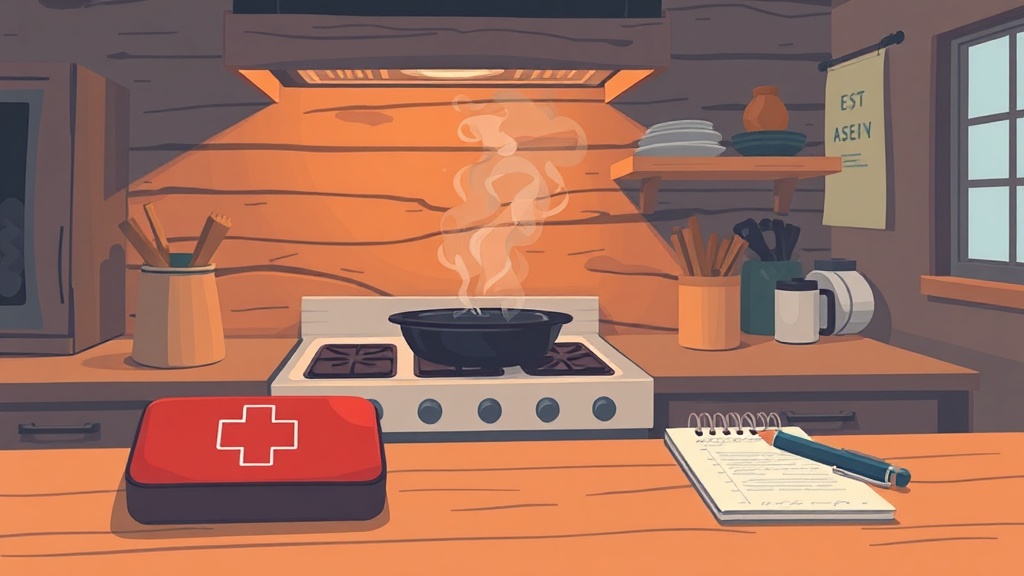
Burned by a Grease Fire at a Rental Cabin? Here's What Burn Victims Need to Know
A weekend getaway to a rental cabin is supposed to be relaxing — a chance to step away from the stress of everyday life. But when a grease fire erupts in an unfamiliar kitchen, the vacation you planned can turn into a medical emergency that changes your life. If you or someone you love was burned in a grease fire at a rental cabin, you're likely dealing with pain, fear, and a flood of questions about what comes next.
This guide is written for you — the burn survivor navigating an overwhelming road to recovery. We want to help you understand what your body is going through, what steps matter most in the days and weeks ahead, and how compensation from a personal injury claim can genuinely help you heal.
Why Grease Fires Are So Dangerous in Rental Kitchens
Grease fires behave differently from other kitchen fires. They ignite at high temperatures, spread instantly, and cannot be extinguished with water — a mistake that can turn a small flame into an explosive fireball. In your own kitchen, you likely know where the fire extinguisher is, how your stove burners behave, and what pans to avoid overheating. In a rental cabin, you're working with unfamiliar equipment in an unfamiliar space.
Many rental cabin kitchens are poorly maintained. Burners may run hotter than expected. Ventilation hoods may be clogged with grease buildup from previous guests. Fire extinguishers may be expired, missing, or tucked away where guests can't find them in an emergency. These are not your failures — they are the property owner's responsibilities, and they matter deeply when it comes to determining who is liable for your injuries.
The Physical Reality of a Grease Fire Burn Injury
Burn injuries are among the most painful and complex wounds a person can sustain. Grease burns are particularly serious because hot oil clings to skin, continuing to cause damage even after the initial contact. Depending on how you were burned, your injuries may range from painful but treatable to life-altering.
Understanding the Severity of Your Burns
- First-degree burns affect only the outer layer of skin, causing redness, pain, and minor swelling. These typically heal within a week or two.
- Second-degree burns damage deeper layers of skin, causing blistering, intense pain, and a higher risk of infection. These may take weeks to heal and can leave scarring.
- Third-degree burns destroy all layers of skin and may affect underlying tissue. These require specialized burn center care, skin grafting, and months or years of recovery.
Even burns that initially appear minor can become serious if they cover a large surface area, affect sensitive regions like the hands, face, or joints, or become infected. Please do not underestimate your injuries — seek professional medical care immediately, even if you feel the urge to push through the pain.
Immediate Steps After a Grease Fire Burn at a Rental Property
The hours and days after a burn injury are critical — both for your physical recovery and for any future legal claim. Here is what we encourage every burn survivor to do:
1. Get Medical Treatment Right Away
Your health comes first, always. If you are in a remote area, call 911 and get to the nearest emergency room or urgent care facility as quickly as possible. For serious burns, you may be referred to a regional burn center where specialists can assess the depth of your wounds and begin a proper treatment plan. Do not attempt to treat significant burns at home.
2. Document Everything Before You Leave
Once you are stable and safe, document the scene as thoroughly as possible. Take photos and videos of the kitchen, the stove, any grease buildup in the hood or on the cooking surfaces, the fire extinguisher (or the absence of one), and any safety signage — or the lack of it. These details can be critical later.
3. Report the Incident to the Property Owner or Rental Platform
Notify the cabin owner, property manager, or the vacation rental platform (such as Airbnb or VRBO) in writing. Keep copies of every message. This creates an official record that an injury occurred at that property on that date.
4. Preserve Medical Records and Expenses
Every doctor's visit, prescription, bandage change, and follow-up appointment is part of your recovery story — and part of your case. Keep a file of all medical bills, treatment notes, and receipts. If you miss work because of your injuries, document that lost income too.
5. Keep a Recovery Journal
This may sound like an unusual suggestion, but burn injury survivors often find it deeply meaningful — and practically valuable. Writing down your pain levels, emotional struggles, sleep disruptions, and daily limitations creates a record of how this injury has truly impacted your life. Courts and insurance adjusters often fail to grasp the full human cost of a burn injury. Your words can help bridge that gap.
The Emotional Weight of a Burn Injury
We would be doing you a disservice if we only talked about the physical side of burn recovery. The emotional aftermath of a serious burn — whether it involves visible scarring, months of painful wound care, or the trauma of the fire itself — can be just as debilitating as the physical injuries.
Many burn survivors experience anxiety, depression, post-traumatic stress, and profound grief over changes to their bodies and their sense of self. These are real, recognized medical conditions, and treating them is part of your recovery. Therapy, counseling, and peer support groups for burn survivors can make a meaningful difference. These costs, too, may be recoverable as part of a personal injury claim.
How Compensation Can Support Your Long-Term Recovery
A personal injury claim arising from a grease fire at a rental property isn't about punishment — it's about making sure you have the resources you need to truly recover. Depending on the circumstances of your case, compensation may cover:
- Emergency medical treatment and hospitalization
- Burn center care, skin grafting, and reconstructive surgery
- Ongoing wound care, physical therapy, and occupational therapy
- Psychological counseling and mental health treatment
- Lost wages and reduced earning capacity
- Scarring, disfigurement, and permanent disability
- Pain and suffering, both past and future
- Out-of-pocket expenses related to your recovery
Rental property owners have a legal duty to maintain their properties in a reasonably safe condition for guests. When they fail to provide working safety equipment, maintain appliances properly, or warn guests about known hazards, they may be held responsible for the injuries that result.
You Don't Have to Figure This Out Alone
Recovering from a grease fire burn is one of the hardest things a person can go through. The pain is relentless. The healing is slow. And on top of everything, you're trying to understand your legal rights while managing a medical crisis.
You deserve support — not just medical support, but legal support from someone who understands burn injuries and knows how to fight for the full compensation you need to rebuild your life.
If you or a loved one was burned in a grease fire at a rental cabin, contact our team at fireinjuries.com today for a free, compassionate consultation. We're here to listen, answer your questions, and help you understand your options — with no pressure and no obligation.